
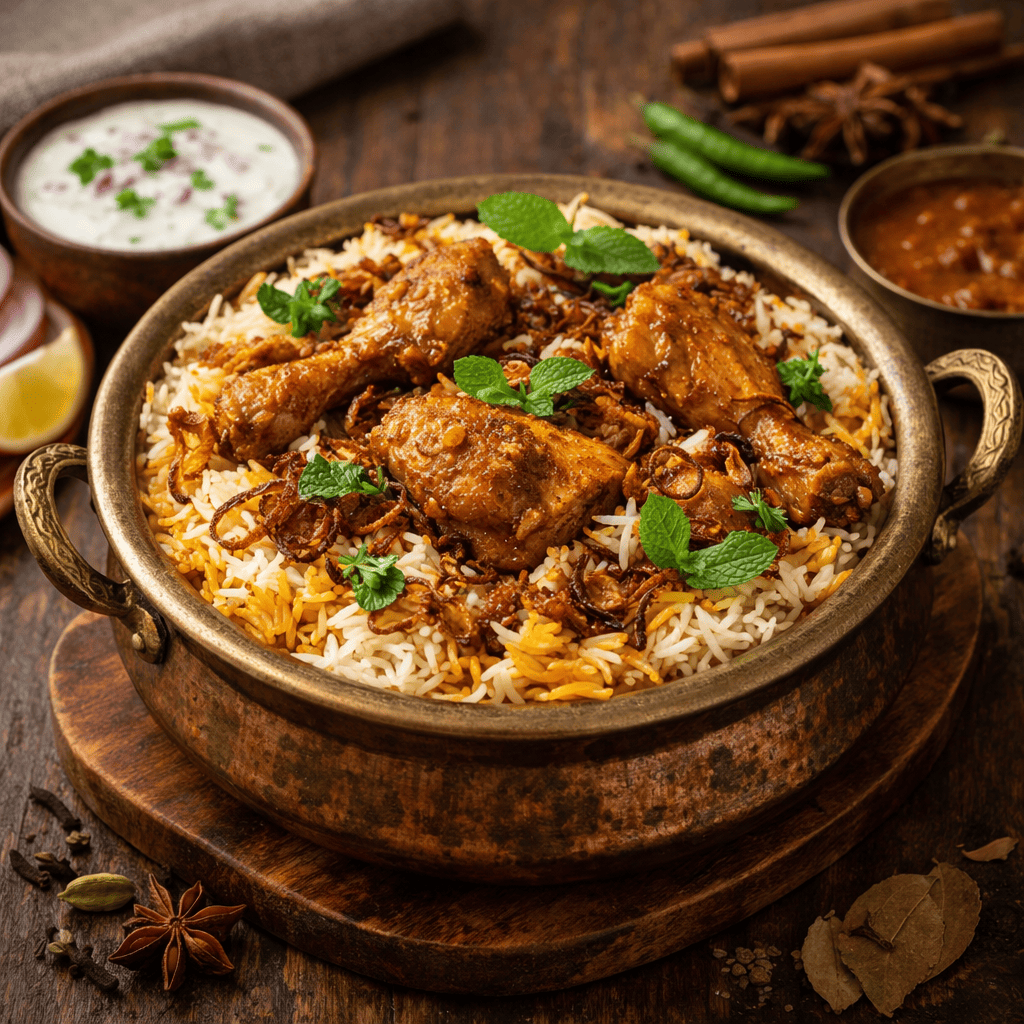
As I always say, biryani is not just food in India — it’s an emotion. Whether it’s a relaxed Sunday lunch, a family gathering, or a small celebration at home, biryani has a special way of bringing everyone together at the table.
But here’s something many beginners don’t realize:
👉 Even if your spices and masala are perfect, choosing the wrong rice can completely ruin your biryani.
• The texture turns sticky
• The Grains break easily
• The Beautiful aroma fades away
And suddenly, all your hard work feels wasted.
That’s why choosing the best rice for biryani is one of the most important steps in making perfect biryani at home.
In this simple and easy guide, you’ll learn:
• Which rice works best in India
• What type of rice restaurants usually use
• Budget-friendly options for home cooking
• How to avoid common rice mistakes
• And how to get long, fluffy, separate grains every single time
Whether you’re cooking for your family for the first time or trying to improve your biryani skills, this guide will help you make confident and delicious choices.
Now let’s answer the most important question — which rice truly gives that royal biryani look and taste?
7 Best Rice Options for Perfect Biryani
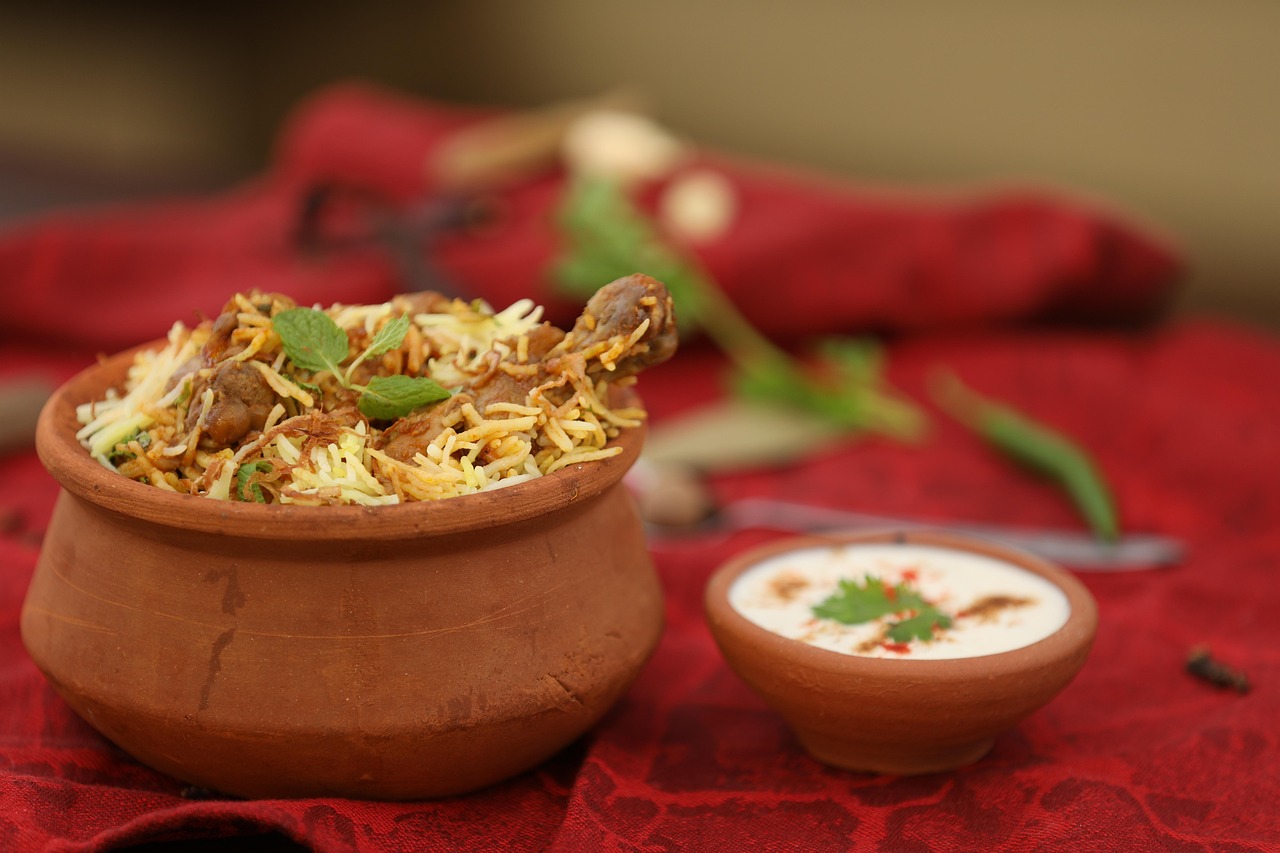
1. Aged Basmati Rice – The Best Rice for Biryani
If you ask any experienced cook in India about the best rice for biryani, you’ll probably hear the same answer every time:
👉 Aged Basmati Rice.
It is known for:
• Extra-long grains
• Strong natural aroma
• Non-sticky texture
• Expands beautifully after cooking
• Looks royal and premium on the plate
Important Tip:
Always choose basmati rice that has been aged for at least 1–2 years. Aged rice contains less moisture, which helps it cook evenly and stay separate.
2. 1121 Basmati Rice – Extra Long & Premium Choice
If you want restaurant-style biryani at home, 1121 Basmati is an excellent option.
It is known for:
• Extremely long grains
• Elegant presentation
• Light and fluffy texture
• Excellent layering results
Many hotels and caterers in India prefer this variety because it creates that impressive “wow” look.
Best for:
• Chicken biryani
• Mutton biryani
• Special occasions and weddings
Read More:-How to Make Biryani at Home
3. Traditional Basmati Rice
If premium aged basmati feels expensive, regular basmati rice can still give good results.
Just make sure:
• The grains are long and uniform
• There are no broken pieces
• The quality is fresh and clean
It may not have the same strong aroma as aged basmati, but it works well for everyday home cooking.
4. Sella (Parboiled) Basmati Rice
Sella rice has a slightly golden color and a firmer texture.
It is:
• Stronger than regular basmati
• Less likely to become sticky
• Harder to overcook
Many people prefer it for dum biryani because:
• It stays firm during slow cooking
• It does not break easily while layering
The aroma is slightly milder compared to aged basmati, but it performs very well for dum-style biryani.
5. Kolam Rice (Budget-Friendly Option)
Kolam rice has shorter grains compared to basmati.
It is:
• Affordable
• Easily available
• Suitable for daily cooking
However, if you want that royal, restaurant-style look, Kolam may not be the best rice for biryani.
It works better for:
• Simple homemade biryani
• Budget-friendly meals
6. Jeerakasala Rice (Malabar Biryani Special)
In Kerala, Jeerakasala rice is commonly used for traditional Malabar biryani.
It has:
• Short grains
• A pleasant aroma
• A unique, rich flavor
It may not look like basmati, but it gives an authentic regional taste that many people love.
Best for:
• Kerala-style biryani
7. Seeraga Samba Rice (Tamil Nadu Style)
In Tamil Nadu, especially for Ambur biryani, Seeraga Samba rice is very popular.
Seeraga Samba rice is known for:
• Small, compact grains
• A strong natural aroma
• Excellent masala absorption
Because of these qualities, it works beautifully for:
• Authentic South Indian biryani styles
Why Rice Selection Matters in Biryani
Biryani is very different from regular rice dishes.
In biryani:
• The rice should stay separate
• The grains should be long
• The texture should be fluffy
• The aroma should be rich and inviting
• The rice should absorb masala without becoming sticky
But if the rice quality is poor:
• It becomes mushy
• It sticks together
• It breaks while mixing
• It loses that premium, restaurant-style appearance
So yes, rice selection truly makes or breaks your biryani.
So, What Is Truly the Best Rice for Biryani?
If we talk about overall performance in India, the winner is clear:
🏆 Aged Basmati Rice.
It offers:
• The best aroma
• The best texture
• Long and elegant grains
• Beautiful presentation
• Excellent dum cooking results
For beginners and housewives, aged basmati is the safest and most reliable option. It gives consistent results and makes your biryani look and taste truly special.
How to Choose High-Quality Biryani Rice (Beginner Guide)
When buying rice, check:
✔ Grains should be long and uniform
✔ No broken rice pieces
✔ No dust or stones
✔ Fresh packaging
✔ Good brand reputation
Simple Home Test:
Take a few grains of rice and press them gently between your fingers. If they crush easily into powder, the quality may not be very good. Good-quality rice should feel firm and strong, not fragile.
How to Cook Rice Perfectly for Biryani
Even the best rice for biryani can lose its texture if it isn’t cooked properly but the good news is. A few simple steps can make a big difference.
Follow this easy method:
Step 1: Wash the Rice Properly
Rinse the rice 2–3 times until the water runs mostly clear. This removes excess starch and helps prevent stickiness.
Step 2: Soak for 30 Minutes
Soaking allows the grains to absorb a little water beforehand. This helps them expand beautifully and cook more evenly.
Step 3: Use Plenty of Water
Boil the rice in plenty of water, just like you would cook pasta. This gives the grains enough space to cook without sticking together.
Step 4: Cook Only 70–80%
Do not fully cook the rice at this stage. The grains should still have a slight bite in the center, as they will finish cooking during the dum (layering) process.
Step 5: Drain Immediately
Once the rice reaches the right stage, drain it right away. Do not let it sit in hot water, or it may become soft and overcooked.
When you follow this method, your biryani rice stays long, separate, and perfectly fluffy — not mushy.
Common Mistakes to Avoid

❌ Using cheap broken rice
❌ Not soaking rice
❌ Overcooking rice
❌ Using too little water
❌ Stirring too much after layering
Avoid these mistakes and your biryani will improve instantly.
Final Thoughts
Choosing the best rice for biryani is not complicated — but it truly makes a big difference in the final result.
If you want:
• A fluffy texture
• Long, separate grains
• A rich, inviting aroma
• That restaurant-style presentation at home
At the end of the day, no matter how good your masala is, great biryani always begins with great rice.
Disclaimer
This article is for informational purposes only. Rice quality and results may vary depending on brand, storage conditions, and cooking method. Always adjust water and cooking time according to your rice variety and stove type.
FAQs About Best Rice for Biryani
1. Which rice is best for biryani in India?
Aged basmati rice is considered the best rice for biryani in India because of its long grains, aroma, and non-sticky texture.
2. Can I use normal rice for biryani?
Yes, but it will not give the same texture and look as basmati rice.
3. Is Sella rice good for dum biryani?
Yes, Sella basmati is strong and does not break easily during dum cooking.
4. Why does my biryani rice become sticky?
Possible reasons:
- Too much water
- No soaking
- Low-quality rice
- Overcooking
This are some possible reasons. Why your biryani become sticky so try to avoid it and I am sure that you biryani become more good and perfect.
5. Which rice do restaurants use for biryani?
Most restaurants use aged 1121 basmati rice for long grains and premium presentation.